Trezor Login — Safe Access to Your Hardware Wallet
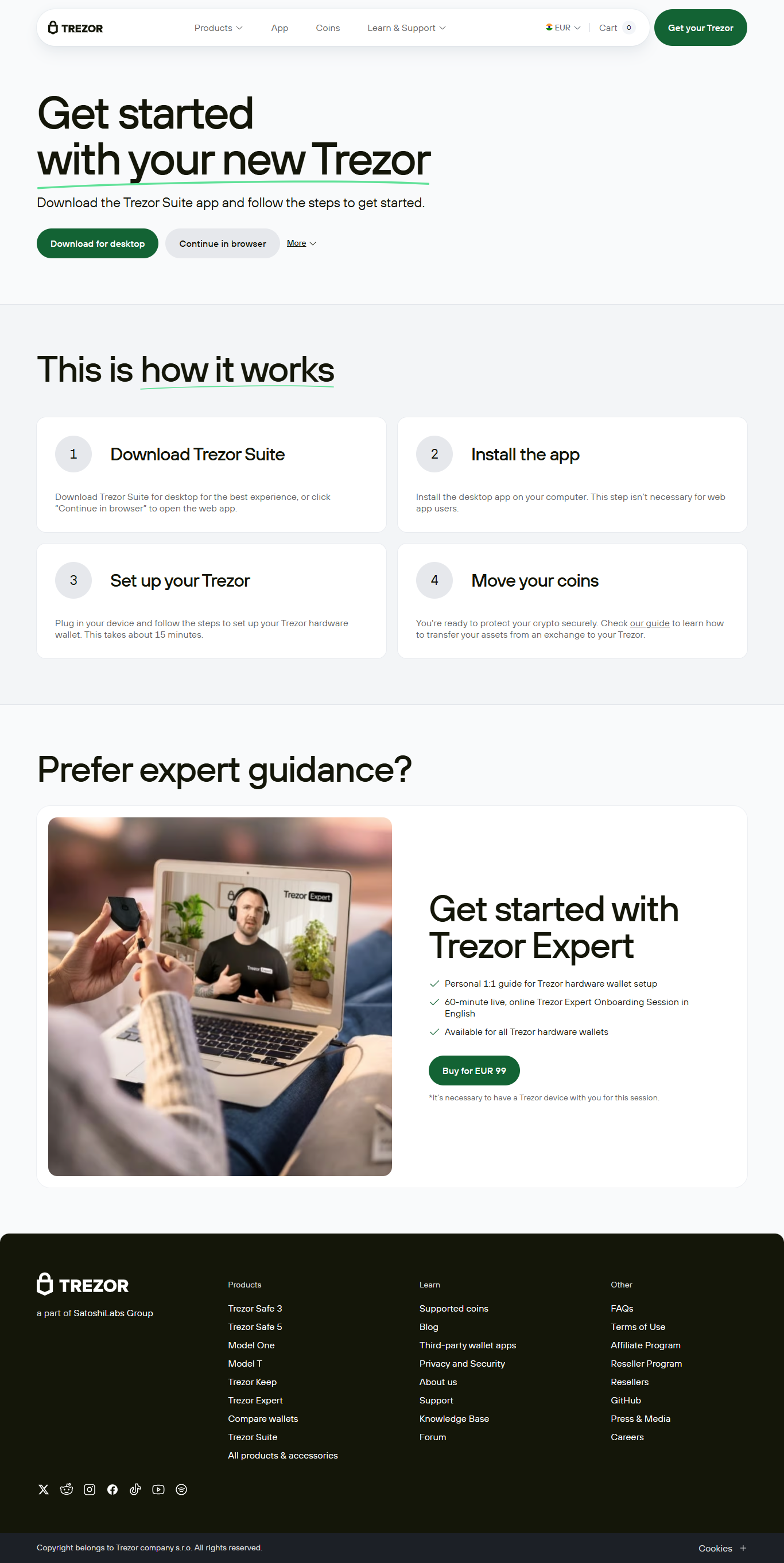
In today’s digital age, securing your cryptocurrency has become more critical than ever. Hardware wallets like Trezor offer the safest and most reliable way to protect your crypto assets by storing your private keys offline. However, even the most secure hardware wallet needs a proper and secure login process to ensure you maintain full control over your funds without risking exposure to hackers or phishing attempts.
This comprehensive guide dives deep into the Trezor login process and explains how to safely access your hardware wallet, best security practices to follow, and tips to avoid common pitfalls that could jeopardize your crypto holdings.
Understanding the Trezor Hardware Wallet
Trezor was introduced as one of the first hardware wallets, designed to provide a secure, offline environment for private key management. Unlike software wallets or exchanges that keep your keys online and vulnerable to attacks, Trezor devices store your keys securely in hardware.
The wallet connects to your computer or smartphone only when you physically connect the device via USB or use compatible wireless accessories. This means that to log in or access your crypto portfolio, you must have physical access to your device, adding a critical layer of security.
The Importance of Secure Login
Accessing your Trezor wallet securely is the gateway to protecting your digital assets. A compromised login process can lead to unauthorized access, theft, or loss of funds. Therefore, understanding the right steps to log in and safeguard your credentials is essential.
How Trezor Login Works
Unlike traditional username and password combinations, Trezor login involves physical device confirmation and a PIN code set by the user. The Trezor device signs transactions and approves access requests internally, which means your private keys never leave the hardware wallet.
- Physical Connection: The device must be plugged into your computer or connected via authorized means.
- PIN Code Entry: To unlock the device, you need to input your unique PIN directly on the hardware.
- Transaction Confirmation: All operations require manual confirmation on the device's screen.
Step-by-Step Guide to Logging into Your Trezor Wallet
1. Connect Your Device
Use the official USB cable to connect your Trezor device to your computer or compatible smartphone. Avoid third-party cables that may be unreliable or pose security risks.
2. Visit the Official Trezor Login Interface
Open your web browser and navigate to the official Trezor Suite or Trezor.io/start page. Always ensure the URL is correct to prevent phishing.
3. Enter Your PIN on the Device
Your Trezor device will prompt you to enter your PIN using its built-in interface. This method protects against keyloggers on your computer since the PIN is entered physically on the device screen.
4. Passphrase Entry (Optional)
If you enabled a passphrase during setup, you will be prompted to enter it now. This acts as a 25th word to your recovery seed and adds another security layer by creating a hidden wallet.
5. Access Your Dashboard
Once authenticated, the Trezor Suite interface will unlock your wallet. You can now view balances, manage accounts, send and receive cryptocurrency, and more.
Security Best Practices for Trezor Login
Always Use the Official Trezor Interfaces
One of the most common attack vectors is phishing. Fake websites and apps mimic the official Trezor interfaces to trick users into entering sensitive information. Always access your wallet via:
Set a Strong, Unique PIN
Your PIN protects your device against unauthorized access. Avoid simple PINs like “1234” or “0000.” Instead, create a complex combination only you can remember but hard for others to guess.
Never Share Your Recovery Seed or Passphrase
Your recovery seed is the master key to your wallet. No legitimate service or support agent will ever ask for it. Keep it offline and secure, preferably written down on the recovery card or stored in a metal backup device.
Update Firmware Regularly
Firmware updates contain critical security patches and feature improvements. Regularly check for firmware updates via the official Trezor Suite and apply them promptly.
Common Issues During Trezor Login and How to Fix Them
Device Not Recognized
If your computer doesn’t recognize your Trezor device:
- Try using a different USB port or cable.
- Restart your computer and reconnect.
- Ensure you have the latest Trezor Suite installed.
- Check your device’s firmware version and update if necessary.
PIN Lockout
After multiple incorrect PIN entries, the device will increase the delay between attempts as a security measure. Wait patiently before retrying. If you forget your PIN, recovery using the seed phrase is the only way to regain access.
Passphrase Issues
If you enabled passphrase protection and forget your passphrase, the hidden wallet tied to that passphrase becomes inaccessible. Always keep your passphrase secure and backed up.
Using the Trezor Suite Application for Secure Login
Trezor Suite is a powerful desktop and web application that offers a user-friendly interface to manage your wallet. It supports multiple cryptocurrencies, portfolio tracking, buying, selling, and more. The login process through Trezor Suite enhances security by enforcing device PIN input and transaction confirmation.
Additional features include:
- Encrypted communication between device and app
- Support for passphrase-protected hidden wallets
- Firmware update prompts
- Multi-language support
- Integrated exchange and staking options
Multi-User & Multi-Account Support
Within the Trezor Suite, you can manage multiple accounts across supported cryptocurrencies. Each account has its own balance and transaction history, allowing you to segregate assets or organize funds effectively.
For families or businesses sharing a Trezor device, it's recommended to create separate accounts and use distinct PINs or passphrases for each user to maintain privacy and security.
Advanced Security Features
Passphrase-Enabled Hidden Wallets
This advanced feature allows you to create multiple hidden wallets protected by different passphrases. The device will appear empty or with limited funds if accessed without the correct passphrase, enhancing plausible deniability.
Multisignature Wallets
Trezor supports multisignature setups through third-party integrations. This means transactions require multiple hardware wallets or keys to authorize, drastically reducing risks from individual device compromise.
Universal 2nd Factor (U2F) Authentication
Trezor devices can also be used as a U2F hardware security key for logging into supported web services, adding an extra layer of protection to your online accounts.
Recovery and Backup: What to Do If You Can’t Login
If you lose access to your Trezor due to device loss, damage, or PIN/passphrase forgetfulness, your only hope is your recovery seed. Using the recovery seed:
- Obtain a new compatible hardware wallet (another Trezor or a supported wallet that accepts recovery seeds).
- Choose the “Recover wallet” option during setup.
- Carefully enter your recovery seed words in the exact order.
- Set a new PIN and passphrase (if applicable).
- Once recovery is complete, access your funds as usual.
Warning: Never enter your recovery seed into any website or software unless you are performing a recovery on a trusted hardware wallet device. Seeds are highly sensitive and vulnerable to theft if mishandled.
Frequently Asked Questions (FAQs)
Can I log in to Trezor from any computer?
Yes, as long as you have your physical Trezor device and PIN, you can log in from any compatible computer with the Trezor Suite or via supported web interfaces.
What if I forget my PIN?
You will need to reset your device and recover your wallet using the recovery seed phrase.
Is my passphrase stored on the device?
No. The passphrase is never stored on the device; you must enter it each time you unlock your wallet if enabled.
How do I know if a website is phishing?
Always verify URLs carefully, look for HTTPS encryption, and avoid clicking links from unknown sources or unsolicited emails.
Does Trezor support biometric login?
No, Trezor relies on PIN and passphrase authentication combined with physical device confirmation for security.
Conclusion: Securely Logging Into Your Trezor Is the First Step to Crypto Safety
In the evolving landscape of cryptocurrencies, hardware wallets like Trezor provide unmatched security. Understanding and following the correct login procedures ensures that you maintain control and safeguard your investments.
Always remember:
- Use official apps and websites only
- Set a strong PIN and consider passphrase protection
- Keep your recovery seed safe and offline
- Update firmware and software regularly
- Confirm all actions physically on your device
By following these best practices, you can confidently log in and manage your Trezor hardware wallet, protecting your digital wealth for years to come.